

Windex is the blue spray you reach for on windows and mirrors, and the brand also makes a counter disinfectant and a cleaner that runs off your garden hose. There’s a streak-free Windex for each surface: spray and wipe indoors, spray and rinse outside with no wiping. Homeowners and car owners both use it.
Philip Drackett introduced Windex in 1936, during the Great Depression, as an automobile windshield cleaner. SC Johnson, a family-controlled company founded in 1886, acquired The Drackett Company in 1992 and makes Windex today. The original formula was popular enough that for years glass cleaners on the market were blue.
Windex Original Glass Cleaner
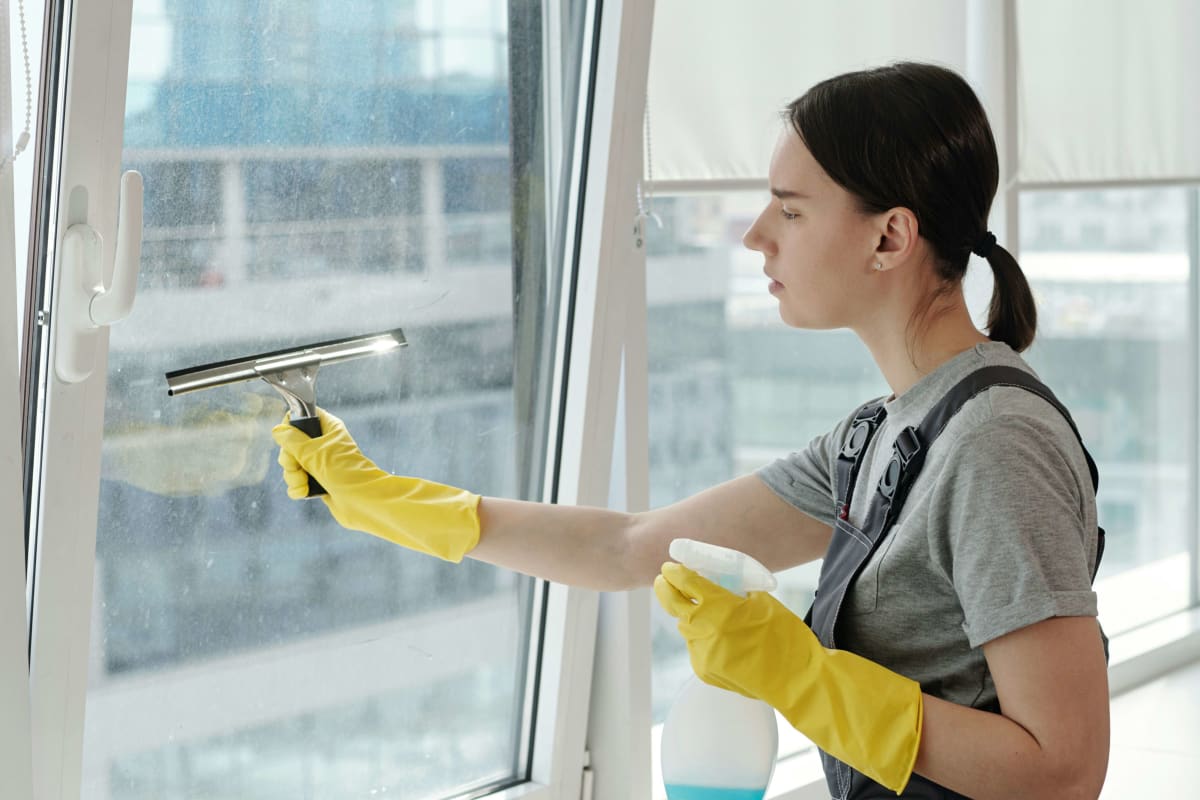
Original is the everyday bottle for household glass. Rotate the nozzle to ON, spray, and wipe with a dry paper towel or a lint-free cloth. It cuts dirt, fingerprints and grime, starts working before you wipe, and leaves the glass with no streaks or film. On a big window, split the glass into four sections, start at the top left, and wipe each section off before you spray the next. Finish with a dry part of the cloth to pick up the last streak.
Most streaks come from the towel. Extra-absorbent paper towels are treated and leave lint and film, and rags washed with fabric softener leave a cloudy haze. Use microfiber, lint-free cotton, untreated paper towels or newspaper, and clean off any film a previous cleaner left before you start.
Temperature is the one real limit. On very hot or very cold glass, Original can evaporate before you wipe it and streak, so do windows on a cloudy day or on the shady side of the house, with the glass cool.
The ingredient list for the standard glass cleaner includes ammonium hydroxide, which is ammonia. Ammonia is a strong alkaline that can strip protective coatings, degrade vinyl tint film and give off fumes that irritate the eyes and lungs, so keep Original off tinted car windows and coated glass such as eyeglass lenses. For those, Windex recommends its Ammonia-Free Glass Cleaner, which it says is safe on factory and aftermarket tint, dashboards and other car interior surfaces. On tint that has cured for less than 30 days, spot-test it in a small, hidden area first.
The same glass cleaner also comes with vinegar added, in a Crystal Rain scent, and in refill jugs for topping up a spray bottle. Keep any of them out of reach of children and pets.
Windex Multi-Surface Disinfectant Cleaner
For counters, use the Multi-Surface Disinfectant Cleaner instead of the glass spray. Windex recommends it for marble, granite and ceramic tile countertops, enameled appliances, stainless steel and chrome, and it leaves a citrus scent with no dull residue. It kills 99.9% of germs, viruses and bacteria on hard, non-porous surfaces.
Windex Outdoor Hose-End Cleaner
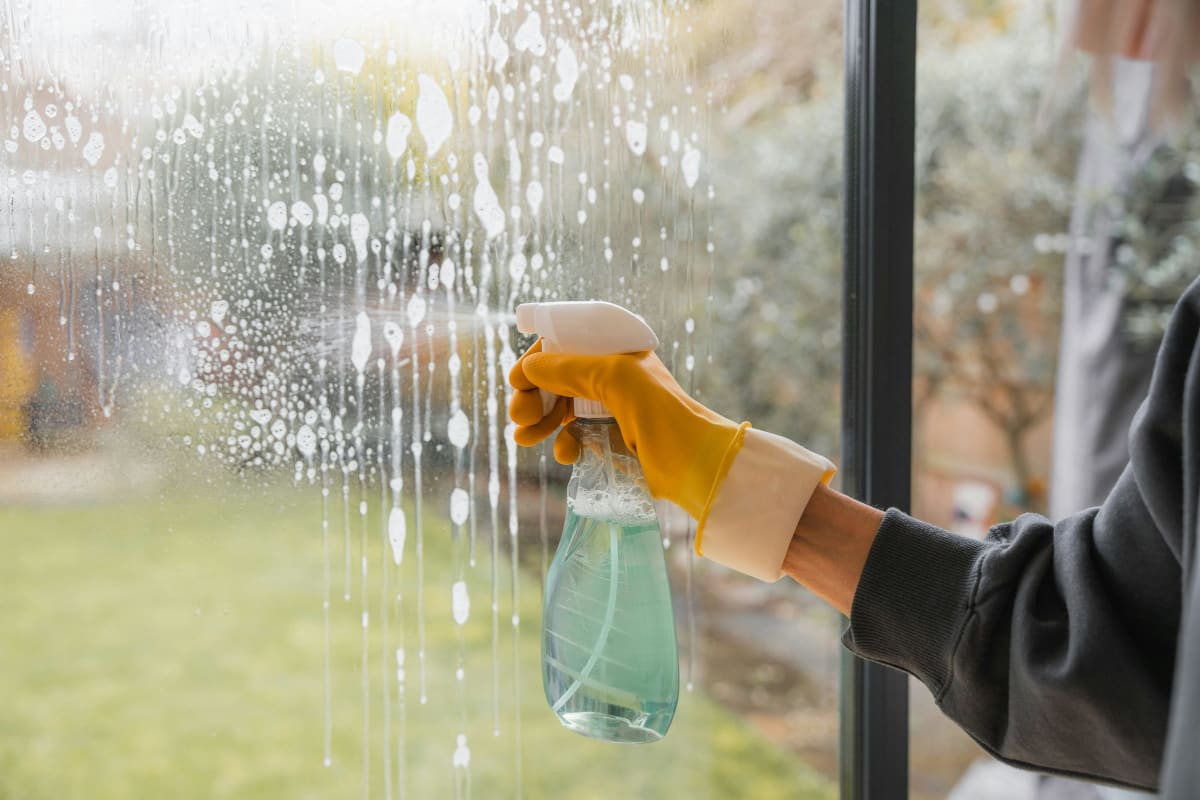
The outdoor cleaner attaches to your garden hose. Spray it on, rinse, and let it dry; it works without wiping, leaves no dull residue, and reaches second-story windows from the ground. It also cleans patio furniture and playsets. Work from the top down so the dirty rinse runs over glass you haven’t done yet.
It needs a running hose, so the rest of the year the outside glass gets Original and a cloth on a mild day.
Other Windex Lines
Windex also makes Fast Shine Foam, which clings to shower doors, windows and mirrors without running or dripping; Original Wipes for a streak-free shine on small surfaces without spraying; electronics cleaning wipes for screens, used with the device unplugged and turned off; and Fog Shield, an anti-fog glass cleaner.
Windex Specs
| Product | Use |
|---|---|
| Windex Original Glass Cleaner | Windows, mirrors, household glass |
| Windex Vinegar Glass Cleaner | Household glass, vinegar added |
| Windex Multi-Surface Disinfectant Cleaner | Counters, appliances, stainless, chrome |
| Windex outdoor hose-end cleaner | Outside windows, patio furniture, playsets |
| Windex Ammonia-Free Glass Cleaner | Tinted car windows, coated glass, car interiors |
| Windex Original | |
|---|---|
| Sizes | 12 oz, 23 oz, 26 oz, 32 oz |
| Bottle | Body made from 100% Recovered Coastal Plastic |
| Recycling | Fully recyclable; symbol on the bottom of the bottle |
Frequently Asked Questions
Does Windex have ammonia in it?
Some Windex does and some doesn’t. Most of the glass and multi-surface cleaners are detergents, solvents and fragrance, and only some add ammonia. The 5% ammonia figure you still see quoted comes from the 1989 formula, and Windex reformulated in 2006, so that number doesn’t describe today’s bottle. If you need to keep ammonia off a surface, pick a bottle labeled Ammonia-Free.
Is Windex a disinfectant?
Only the bottle labeled Multi-Surface Disinfectant Cleaner is sold as one. Original and the other glass sprays are made to cut dirt, fingerprints and grime, so they’re the wrong bottle for sanitizing. Whichever one you use, keep it off your skin, because Windex says to protect skin from direct contact with any household cleaner.
Can you use Windex on eyeglasses?
Use the Ammonia-Free bottle and spray it onto a microfiber or lint-free cloth instead of onto the lens, then wipe. Finish with a dry part of the cloth to pick up any streaks. Lens coatings are the reason to skip the ammonia bottle, since ammonia can strip protective coatings.
What can you use Windex Ammonia-Free Glass Cleaner on around the house?
Windex lists it for windows, mirrors, glass tables, shower doors, glass stove tops, glass frames and bathroom mirrors. It uses a surfactant-based cleaning system that breaks down fingerprints, grease and grime on contact, and Windex says it’s safe around pets and children when used as directed. It’s built to work with a microfiber cloth, so that’s the cloth to use for a clean finish.
How do you use Windex foaming glass cleaner in the can?
Shake the can, twist the cap to the open position, and hold it upright about 6 inches from the glass. Spray sparingly, then wipe clean. The foam stays where you spray it, so a light coat on a shower door or mirror is enough.
Ready to Get Started?
Our building materials specialists can help you find the right Windex products for your project.