

Watco Danish Oil is what you wipe onto a table, dresser or cabinets to bring the grain up with a warm, hand-rubbed look. It soaks into the wood and hardens there, and many pieces are done in under an hour. Watco’s other oils cover cutting boards and dense woods like teak, for first-timers and seasoned woodworkers alike.
Watco is one of Rust-Oleum’s wood-care brands. Rust-Oleum started in the US in 1921, when sea captain Robert Fergusson noticed that fish oil kept rust off his ship’s metal deck and worked with a chemist on one of the world’s first rust-preventive paints. The company stayed family-owned until 1994 and is now a subsidiary of RPM International, headquartered in Vernon Hills, Illinois. It makes protective paints and coatings for home and industrial use.
Danish Oil for furniture and cabinets
Danish Oil is a blend of penetrating oil and varnish. Brush it on or wipe it on with a cloth, let it soak in for a few minutes, then wipe off everything still sitting on the surface. The most common mistake is leaving that extra to dry, which turns it into a gummy film you have to sand or strip off. On open-pored woods like red oak, the pores keep pushing little beads of oil back out after you wipe, so go back over it with a clean rag until they stop.
On the second coat, wet-sand the oil into the wood with 320-grit paper. The slurry of oil and wood dust packs into the grain and leaves the surface noticeably smoother. Expect a low, satin glow. If the first coats look thin and a little oily, give it a week to cure before you judge it or add more.
Danish Oil stains better than it protects. On a dining table or desk that sees wet glasses, let it cure fully, then wipe a polyurethane topcoat over it. Without a topcoat, use coasters and placemats and wipe spills up fast. Tinted versions like Light Walnut color the wood in the same pass. Hard, tight-grained maple takes the tint unevenly, though, and on walnut the shades look closer together than you’d expect, so run the whole process on a scrap of the same board first. Danish Oil is for indoor use only and isn’t recommended for floors.
Butcher Block Oil for cutting boards and bowls
For a cutting board, it’s tempting to reach for the furniture oil already on the shelf. Use the food line instead: Watco Butcher Block Oil & Finish is formulated for butcher blocks, cutting boards, salad bowls and other items that need a food-safe finish. Keep the Danish Oil on the furniture.
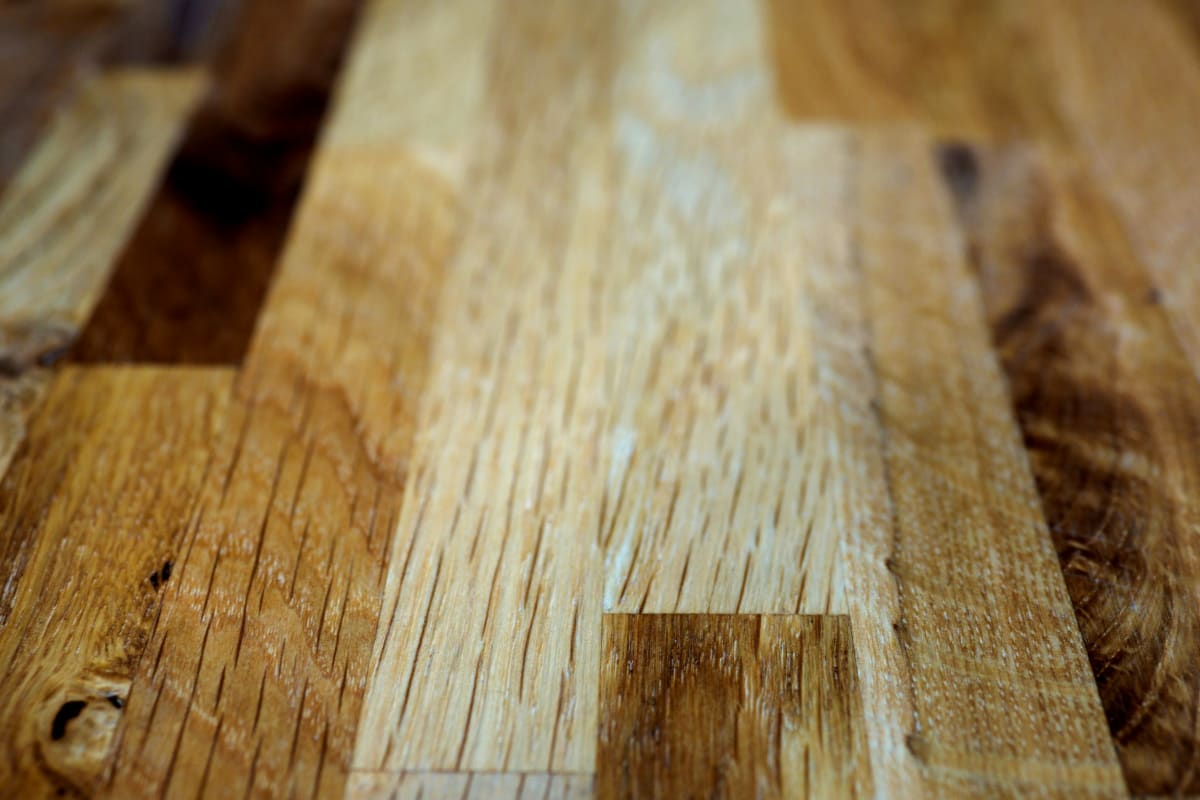
Start with a clean, dry board. Wipe the oil on heavy, let it soak in, and wipe off whatever the wood hasn’t taken. End grain on a butcher block soaks up far more than an edge-grain board, so keep adding coats until the wood stops taking it in. Wash the board by hand, stand it on edge to dry, and wipe on another coat whenever the surface looks pale and dry.
Teak Oil for teak, rosewood and mahogany
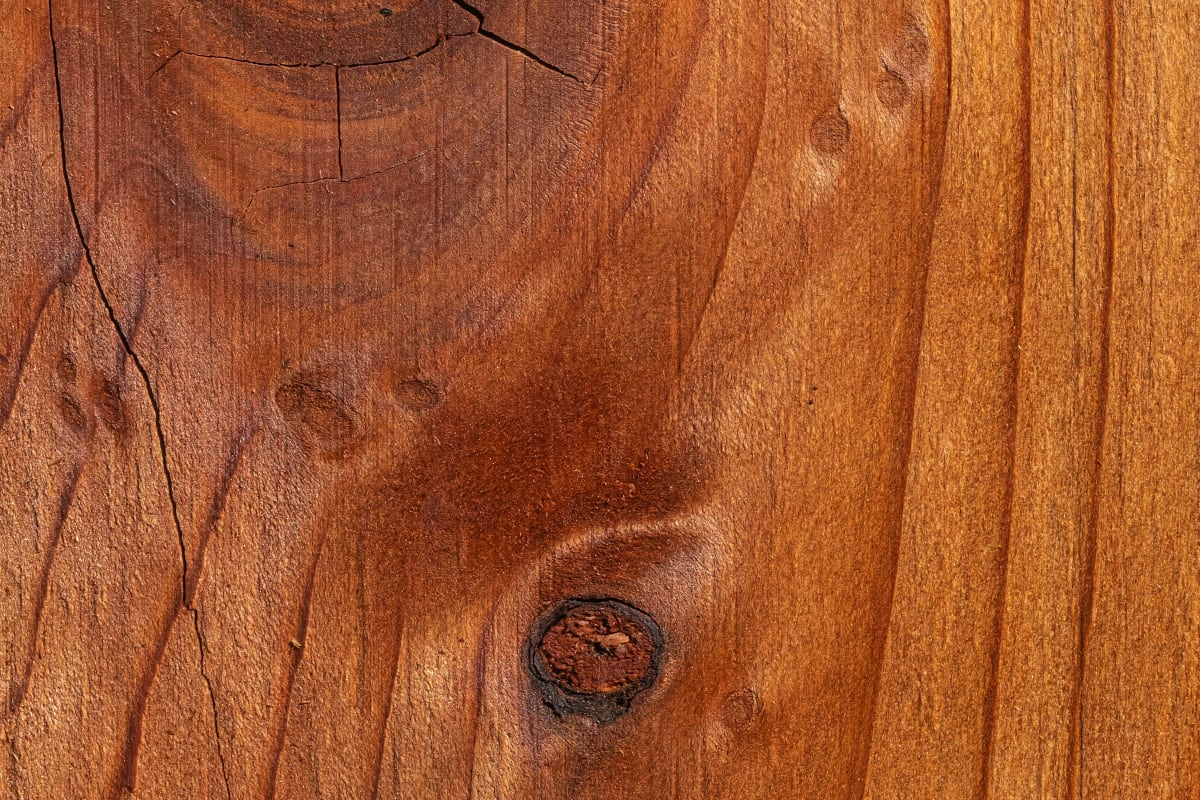
Teak Oil soaks into dense wood the way Danish Oil soaks into oak, and it leaves the same warm, hand-rubbed glow. It’s also suited to boat trim above the water line. Teak carries its own surface oil, so wipe the piece down with mineral spirits and let it dry before the first coat. Then wipe, brush or spray the oil on, and wipe it off. The whole job takes less than an hour. Add another coat when the wood starts looking dry or turning gray.
Lacquer Clear Wood Finish for a clear topcoat
When you want a clear coat on top of the wood rather than an oil in it, use Watco Lacquer. It’s a brushing lacquer that fills the pores of most woods, so you can skip the grain filler. Apply it with a good natural-bristle brush in long strokes with the grain, and leave each stroke alone once it starts to set, because brushing back into tacky lacquer drags it. Keep the room ventilated. Coats dry in 30 minutes and go on without sanding in between. The spray cans of Watco Lacquer, in gloss and satin, suit small pieces and touch-ups: hold the can 10 to 12 inches away and build thin coats instead of one wet one, so it doesn’t run.
The rest of the Watco lineup
Wipe-On Poly puts polyurethane protection on furniture, cabinets, doors and countertops with a rag, and Satin Finishing Wax gives a hand-rubbed wax look without hours of rubbing. Rejuvenating Oil brings back the luster of wood that was oil-finished before. Butcher Block Oil + Stain gives cutting boards and salad bowls a food-safe finish with color, and Teak Oil + Stain is the tinted version of Teak Oil. Super Glaze is a thick, high-gloss epoxy resin, clear or colored, for craft projects and furniture. For the outside of the house, Exterior Wood Finish is a semi-transparent penetrating oil that makes new, old or pressure-treated decks, siding and fences water repellent. Flood it on, let it soak in for 30 minutes, then reapply and let it soak in for another 15.
Watco lines at a glance
| Watco line | Made for | Finish |
|---|---|---|
| Danish Oil | Indoor furniture and cabinets | Warm, hand-rubbed glow; stains, seals and protects in one step |
| Butcher Block Oil & Finish | Butcher blocks, cutting boards, salad bowls | Rich sheen, food-safe |
| Teak Oil | Teak, rosewood, mahogany | UV- and moisture-resistant, hand-rubbed glow |
| Lacquer Clear Wood Finish | Furniture, doors, cabinets, paneling | Crystal-clear, durable |
Frequently Asked Questions
How do you apply Watco Butcher Block Oil & Finish, and how many coats does it need?
Before the first coat on a new board, wipe it with a damp cloth, let it dry, and sand off the raised fibers with fine paper, or the grain will go fuzzy after the first wash. Let each coat dry before you add the next, and don’t cut on the board until the last one has dried. There’s no fixed number of coats: a new board takes several, and after that one coat whenever it looks dry is enough.
Is Watco Butcher Block Oil and Finish waterproof?
It’s water resistant, not waterproof, because the oil sits in the wood, not as a sealed film on top of it. Standing water, a soak in the sink or a run through the dishwasher will still swell the wood and can split a glued-up board. Wipe the board dry after washing and recoat when water stops beading on it.
How does Watco Danish Oil look on cherry?
Cherry darkens on its own in light over the first months, and an oil finish deepens that reddish color quickly. Cherry also blotches easily under tinted finishes, so if you’re using one of the walnut or mahogany shades, try it on a scrap of the same board first. A color that looks right the day you apply it will read darker a year later.
What’s the difference between Watco Butcher Block Oil + Stain and Butcher Block Oil & Finish?
Both are made for butcher blocks, cutting boards, salad bowls and other wood items that need a food-safe finish, and the + Stain version adds color. End grain soaks up more and turns darker than the edges, so test it on an offcut from the same board. Knife marks cut through to lighter wood over time, and a fresh coat evens the color back out.
Ready to Get Started?
Our paint & finish specialists can help you find the right Watco products for your project.