

Purdy paint brushes and rollers are for painters cutting in trim and rolling walls. You can match brush stiffness to edge control and roller fabric to the finish you want. Choose the brush for the detail work and the cover for the wall texture.
Purdy started in Portland, Oregon, in 1925, when S. Desmond Purdy made his first paintbrush by hand in a garage. The company’s headquarters are in Cleveland, Ohio. It’s known for handcrafted brushes and also makes rollers, preparation tools and painting accessories. Each brush carries its maker’s signature.
Match the brush to the coating and the edge
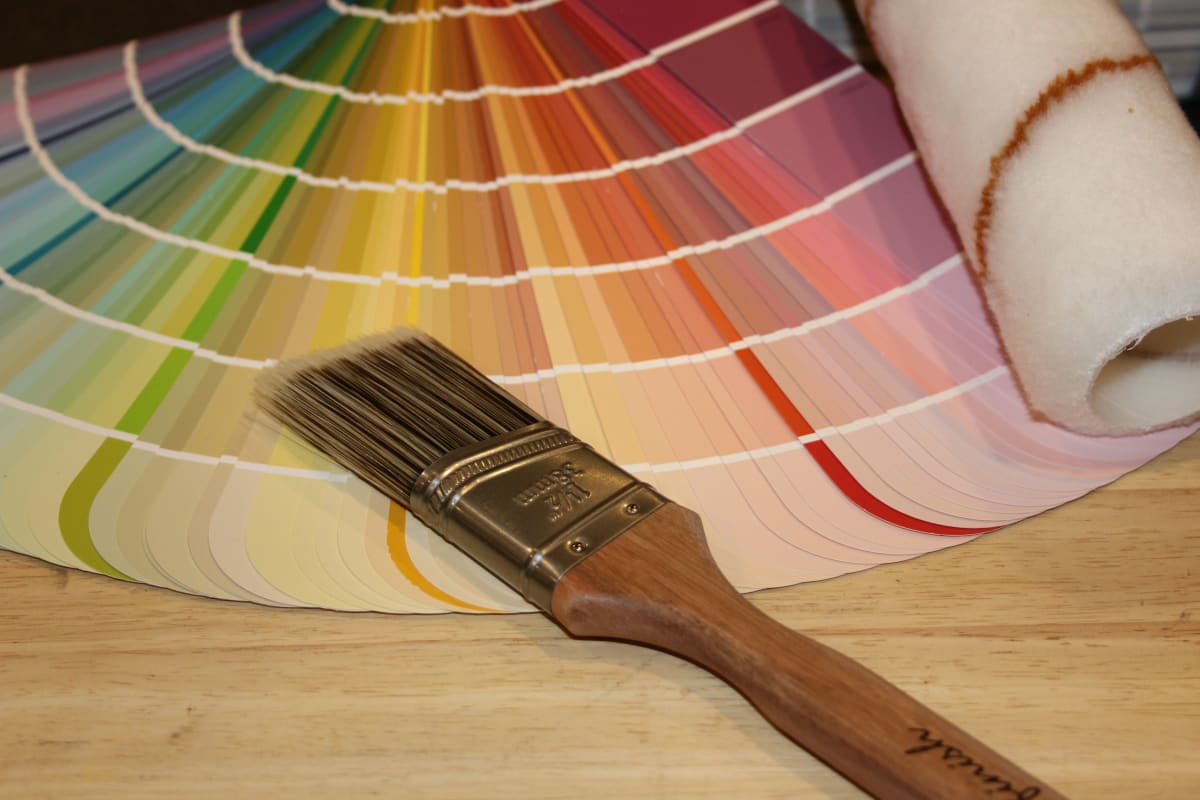
For cutting in, start with an angled brush and stiff filaments. Purdy recommends the angle for cutting in and the stiffness for crisp lines around windows, doors and trim. Adjutant is an angular model in Purdy’s Black Bristle family.
Purdy’s synthetic brushes suit all coating types, while natural bristles suit solvent- and oil-based coatings. Stiffer filaments suit thicker and low-VOC coatings; softer filaments leave fewer brush marks on doors, furniture and trim. Choose stiffness for the work you’re doing.
For precision work in cramped spaces, Purdy Cub brushes have short, lightweight alderwood handles that improve control where a longer handle would interfere.
Choose the roller for the finish
GoldenEagle covers hold more paint to help you cover the work faster. Paint capacity matters on a broad wall, but the cover’s material affects the texture left behind. Polyester and lambswool carry more paint and cover larger areas faster while leaving some stipple. For glossier paints and primers, choose woven covers for less lint and a smoother finish.
Purdy Ultra Finish rollers are designed for a smooth finish with low splatter. Keep the roller loaded and use steady strokes; squeezing a nearly dry cover against the wall leaves an uneven texture.
Purdy’s Revolution Jumbo Mini frames suit tight spaces and hard-to-reach areas. A change in roller texture can show around the edges after the paint dries. Match the mini roller’s fabric and nap to the main cover.
Clean and store the tools
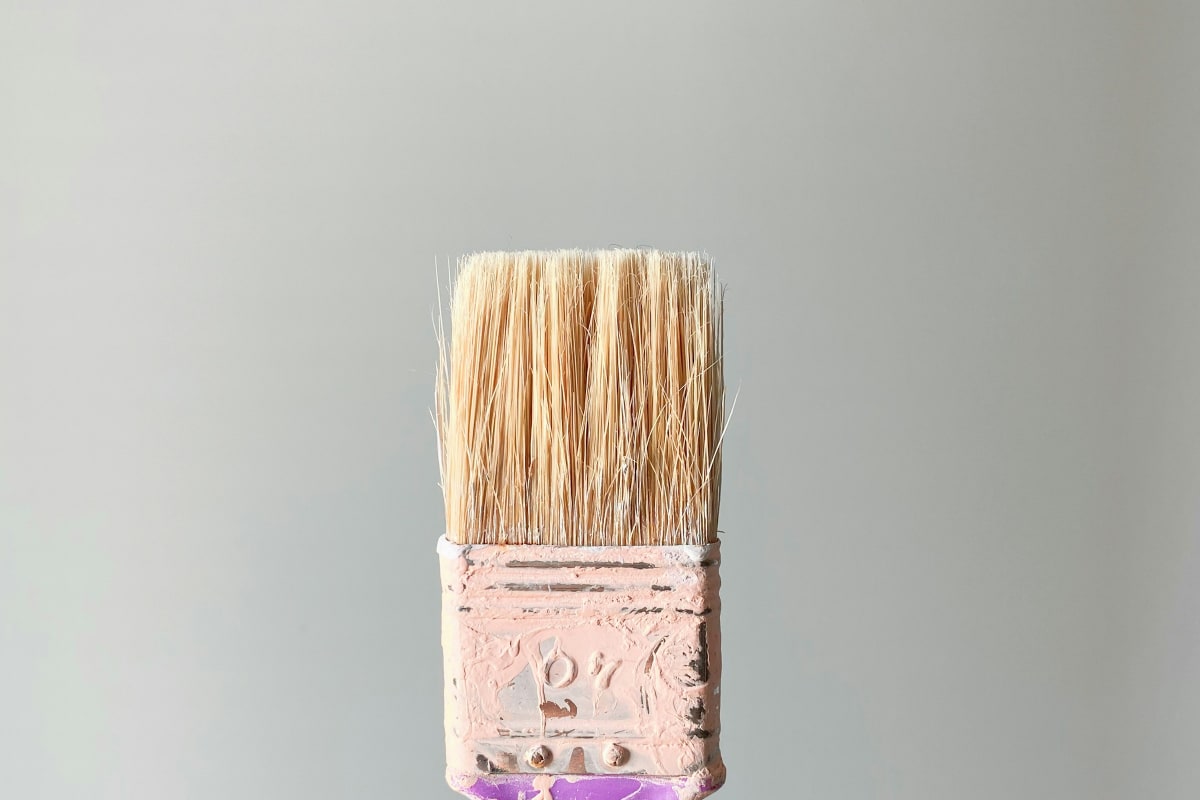
Clean your Purdy brush immediately after use, with a cleaner suited to the coating and the directions on its Keeper. Long soaking in water or solvent can damage the bristles. A wire brush removes the split ends of the bristles, so work the cleaner through them gently. Match roller cleanup to the coating’s cleaning instructions and work the paint out while it’s fresh.
Save the Keeper. It guides the bristles back toward their original shape. Put the brush away in it once the brush is clean and completely dry.
The Purdy Painter’s Backpack organizes painting tools for the jobsite.
Roller nap specifications
Choose nap by surface texture. Extra nap holds more paint, but the surface should drive the choice.
| Purdy recommended nap | Application |
|---|---|
| 3/8 inch | Walls, ceilings and paneling |
| 1/2 inch | Lightly textured walls, decks and concrete |
| 3/4 inch | Textured ceilings, stucco and masonry |
Frequently Asked Questions
How do you choose a Purdy paint brush?
Start with your coating: synthetic bristles suit all coating types, while natural bristles suit solvent- and oil-based coatings. Stiffer filaments give you more control with thicker and low-VOC coatings; softer filaments leave fewer brush marks. For longer strokes, a wall brush holds more paint, so you spend less time reloading.
Which Purdy paint roller should you use?
Match the cover to both the surface texture and the finish you want. A 3/8-inch nap is Purdy’s recommendation for walls, ceilings and paneling. Woven covers shed less lint and leave a smoother finish with glossier paints and primers. For oil- or water-based paints, knit covers have an open fabric construction that picks up and releases more paint.
What’s the best Purdy brush for cutting in?
An angled brush with stiff filaments is the starting point for crisp lines around windows, doors and trim. A trim brush holds less paint and suits short, controlled strokes. If you prefer a pencil-style grip, choose a long, narrow rattail handle; a short handle helps where a longer one would interfere.
How do you clean a Purdy paint brush?
Clean it immediately after use with a cleaner suited to the coating, following the Keeper directions. If latex paint has already dried in the bristles, hot soapy water can soften it, but work quickly rather than leaving the brush soaking. Work soap through the softened paint, then rinse with clear water. Let the brush dry completely before putting it back in its Keeper.
Ready to Get Started?
Our paint & finish specialists can help you find the right Purdy products for your project.