

DAP caulk, wood filler, and wall repair products help homeowners and contractors seal gaps and prepare damaged surfaces for finishing. The range gives you materials for wood repairs, wall patches, and kitchen-and-bath joints, including DryDex spackling with a visible drying indicator.
DAP is a building-products manufacturer based in Baltimore. It started in 1865 and is an operating company of RPM International. Its range includes caulks, sealants, adhesives, patching compounds, and spray foam insulation.
Match the filler to the repair
A damaged wood edge, a nail hole in drywall, and a joint around the tub need different materials. DAP’s 3-in-1 Premium Wood Filler handles wood filling, grain filling, and a sealer coat. Spackling compounds with DryDex provide a pink-to-white dry-time indicator for wall repairs. Kwik Seal is the kitchen and bath sealant line. Choose by the surface and what the repair needs to do.
For wood repairs, remove loose material and get the area clean before pressing filler into sound edges. Follow the particular filler’s directions for depth and drying, then sand it to the surrounding profile. Good preparation gives the filler something solid to hold.
Wood and filler can take stain differently. On a visible repair, test the filler and finish together on scrap. Match the finished color, not just the color in the container.
Caulking and painting need separate timing
Alex Plus is a DAP caulk option aimed at DIY users. Your painting schedule depends on the formulation: most acrylic latex caulks can be painted in approximately two hours, with joint depth, temperature, and humidity affecting that timing. Clear acrylic and latex caulks should turn completely clear first. Follow the product label for its recommended dry time.
For a bathroom joint, DAP offers a 100% Silicone Kitchen & Bath Waterproof Sealant. Remove the old bead and get the joint clean and dry before applying fresh sealant. Soap film and loose old material make a poor bonding surface.
Cut the cartridge nozzle to suit the bead you need, starting with a small opening. If there’s an inner seal, puncture it before squeezing the trigger. Make a short practice bead on scrap to settle the pressure and pace.
After the repair, regular cleaning matters. Soap and other residue can support secondary mold and mildew growth, so keep buildup off the sealant and its edges.
Adhesives, masonry repairs, and foam
Weldwood includes wood glues, and DAP also offers adhesives for floor and subfloor applications. Match the adhesive to both surfaces and the kind of joint. For fitted woodwork, dry-fit the pieces and have the clamps ready before spreading glue.
DAP’s masonry patch and repair compounds cover another repair category. A patch needs a sound base, so remove loose masonry before filling the damaged area.
DAP also offers spray foam insulation for insulating and air sealing. Before filling a space, work out where the foam’s expansion can go, especially around a frame.

Give a wall patch support
DryDex’s pink-to-white indicator gives you a visible way to follow drying. Use the particular product’s directions to plan the next step.
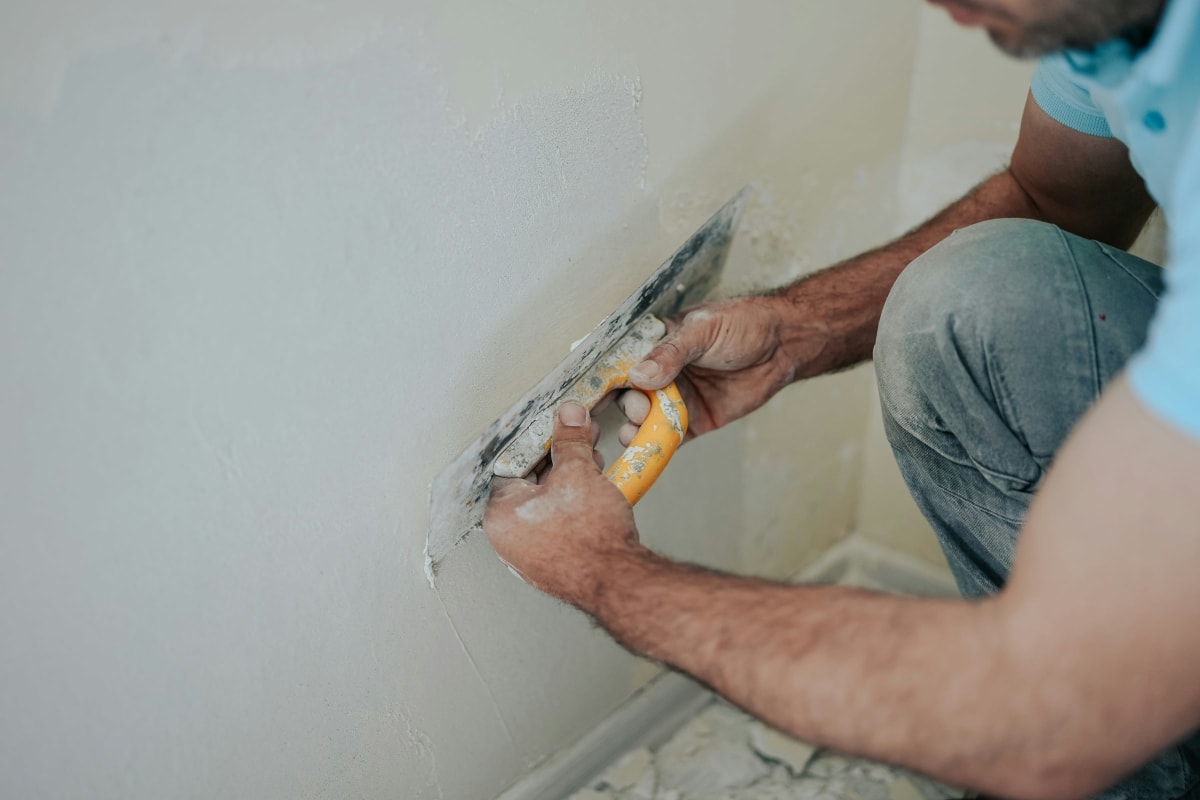
Larger drywall damage needs support behind the repair. DAP offers drywall patches, tapes, and joint compounds. Choose the patch method for the damage, then feather the compound beyond the repair so its edges disappear under paint.
Formulation and timing details
| Product or formulation | Detail | Condition |
|---|---|---|
| DryDex technology | Pink-to-white dry-time indicator | Used in spackling compounds and some caulks |
| Most acrylic latex caulks | Approximately two hours before painting | Depends on joint depth, temperature, and humidity; follow the product label |
| Clear acrylic and latex caulks | Allow to turn completely clear before painting | Follow the product label for the specific recommended dry time |
| DAP 100% Silicone Kitchen & Bath Waterproof Sealant | 100% silicone | Kitchen and bath applications |
Frequently Asked Questions
How long does DAP caulk take to dry?
Most acrylic latex caulks can be painted in approximately two hours, but that isn’t a full-cure time or a promise that they’re ready for water. Joint depth, temperature, and humidity affect drying. If you’re using a clear acrylic or latex caulk, let it turn completely clear before painting, and follow the label for the timing of your next step.
How do you use DAP Plastic Wood filler?
Remove loose wood and dust, then press Plastic Wood into the repair so it makes contact with solid wood. Follow the container’s directions for fill depth and drying before sanding it flush. If you’re staining the repair, test the filler and finish together first, because the filled spot can take color differently than the surrounding wood.
How do you open a tube of DAP caulk?
For a caulk-gun cartridge, cut the nozzle tip at an angle, starting with a small opening you can enlarge if needed. Puncture the inner seal if the cartridge has one, then load it into the gun. If nothing comes out, check the opening and seal before squeezing harder; extra pressure can leave you with a sudden blob.
How do you use DAP masonry patch?
Remove loose masonry and dust first, because a patch needs a solid base to hold. Follow the container’s directions for surface preparation, fill depth, and curing before putting the repair back into use. If the crack keeps opening, filling it won’t solve the movement causing it.
Ready to Get Started?
Our paint & finish specialists can help you find the right DAP products for your project.