

Cadet baseboard and wall heaters give homeowners electric heat for individual rooms. You can choose a heater around the room’s layout and pair it with a matching thermostat. Settle the placement and electrical fit together.
Cadet is an electric-heating brand. Its heating solutions are American-made. Its range includes electric baseboard, wall and fan heaters, along with thermostats for baseboard and wall heaters.
Choose the heater around the room
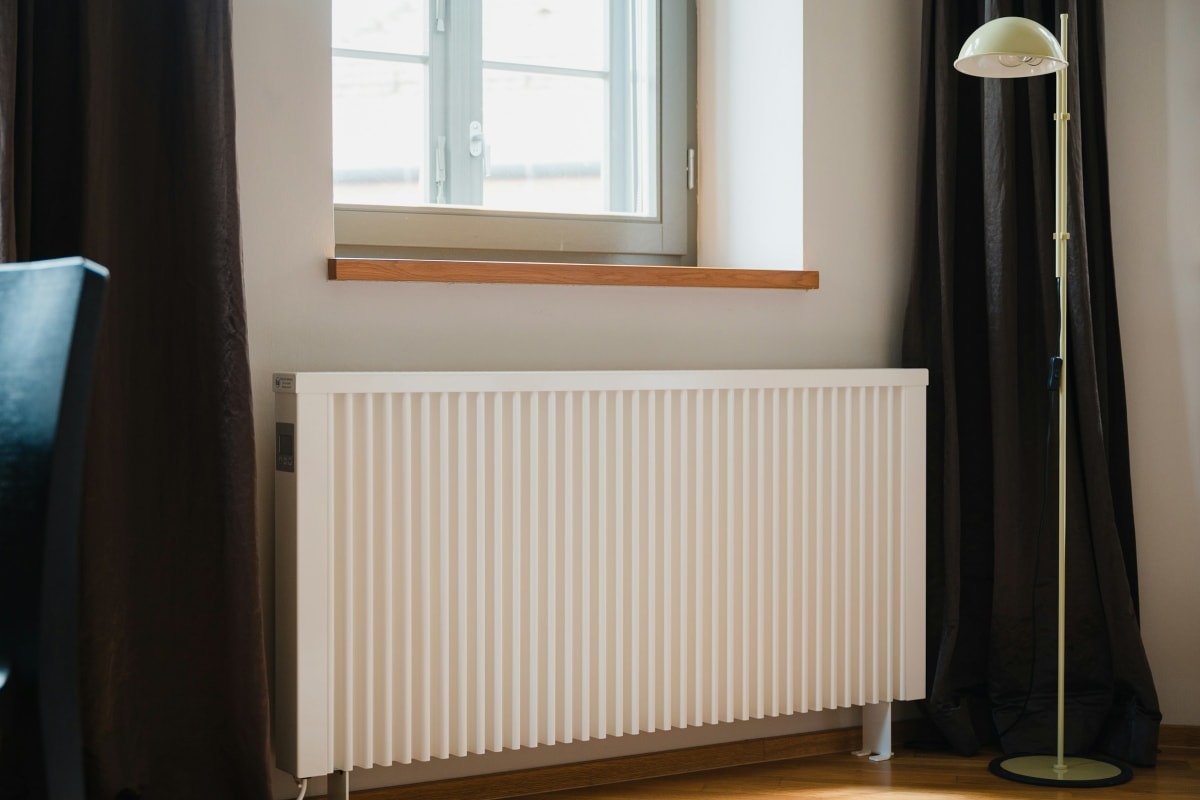
Start with the furniture layout. Cadet offers both baseboard and wall heaters, and each needs a suitable location with space around it. Plan the couch, curtains and heater together: Cadet advises keeping items off and away from its heaters.
Room size is the starting point for sizing the heat. Windows, insulation and heat loss matter too. Size the heater for the room, then match its electrical requirements to the available circuit.
Cadet includes bathrooms among the spaces it addresses. Use the particular heater’s installation instructions to settle its permitted location and required clearances.

Match the thermostat before reusing it
You can keep an existing thermostat when its voltage, load rating and wiring match the new heater. The critical mistake is connecting a low-voltage thermostat directly to the heater: that would damage the thermostat. Cadet specifies line-voltage controls for electric baseboard and fan heaters.
Cadet also offers onboard and wireless remote thermostat options for the baseboard series listed below. Choose the heater and its compatible control together.
The off setting deserves attention. A double-pole thermostat has a true off position; a single-pole thermostat’s bottom setting is a low setting. For an everyday off position, choose a compatible double-pole control.
Heater and control details
| Heater or control | Type or electrical detail |
|---|---|
| F-Series | Baseboard heaters |
| Electronic Onboard Thermostat | For F-Series baseboard heaters |
| Thermostat Remote | Wireless control for F-Series baseboard heaters |
| Line-voltage thermostats | 120 or 240 volts; used with electric baseboard and fan heaters |
| Low-voltage thermostats | 24 volts; direct connection to a Cadet heater would damage the thermostat |
| Double-pole thermostat | True off setting |
| Single-pole thermostat | Low setting at the bottom of its adjustment |
Plan the wiring before installation
Use the new heater’s wiring diagram and verify the circuit and control ratings. Cadet directs installation work to the specific product owner’s guide. If you’re uncomfortable with electrical work, unable to follow the instructions or missing the necessary equipment, use a licensed electrician.
Before electrical work, shut off the heater circuit at the panel and verify that power is off. Cadet’s grill installation instructions also call for locking or tagging the panel door to prevent someone from restoring power while work is underway.
Frequently Asked Questions
What is a Cadet heater?
Cadet is a brand of American-made electric heaters, including baseboard, wall and fan heaters. You can use them to heat individual rooms, with the heater size and control matched to the job.
What thermostat do I need for a Cadet baseboard heater?
You need a line-voltage thermostat that matches the heater’s voltage and electrical load. Line-voltage controls can be 120 or 240 volts; a 24-volt thermostat would be damaged if connected directly to the heater. If you want a true off setting, choose a compatible double-pole thermostat.
How do you install a Cadet baseboard heater?
Settle the heater’s location and circuit requirements before mounting it, using the specific owner’s guide for clearances and installation details. Furniture and curtains need room away from the heater, so an empty stretch of wall alone doesn’t settle the location. If you can’t follow the electrical instructions or don’t have the necessary equipment, use a licensed electrician.
How do you wire a Cadet baseboard heater?
Use the wiring diagram for your particular heater and thermostat, with the circuit voltage and control ratings checked before making connections. Shut off the circuit at the panel and verify that power is off before working. A thermostat’s off setting isn’t a substitute for disconnecting the circuit, even when the control has a true off position.
Ready to Get Started?
Our building materials specialists can help you find the right Cadet products for your project.