
Black Label wood is for builders choosing decking, cladding or soffits, with hardwood and modified-wood lines to compare. You get naturally durable hardwood decking and modified choices with stated durability benefits. The decision comes down to the job, the appearance you want and the color upkeep you’re willing to do.
Black Label is a GMX Group brand focused on architectural lumber and wood products. Its range includes hardwood and modified-wood decking, cladding and soffit systems. It also offers architectural milling and pre-finish services, including custom molding and CNC machining.
Choose the wood for the job
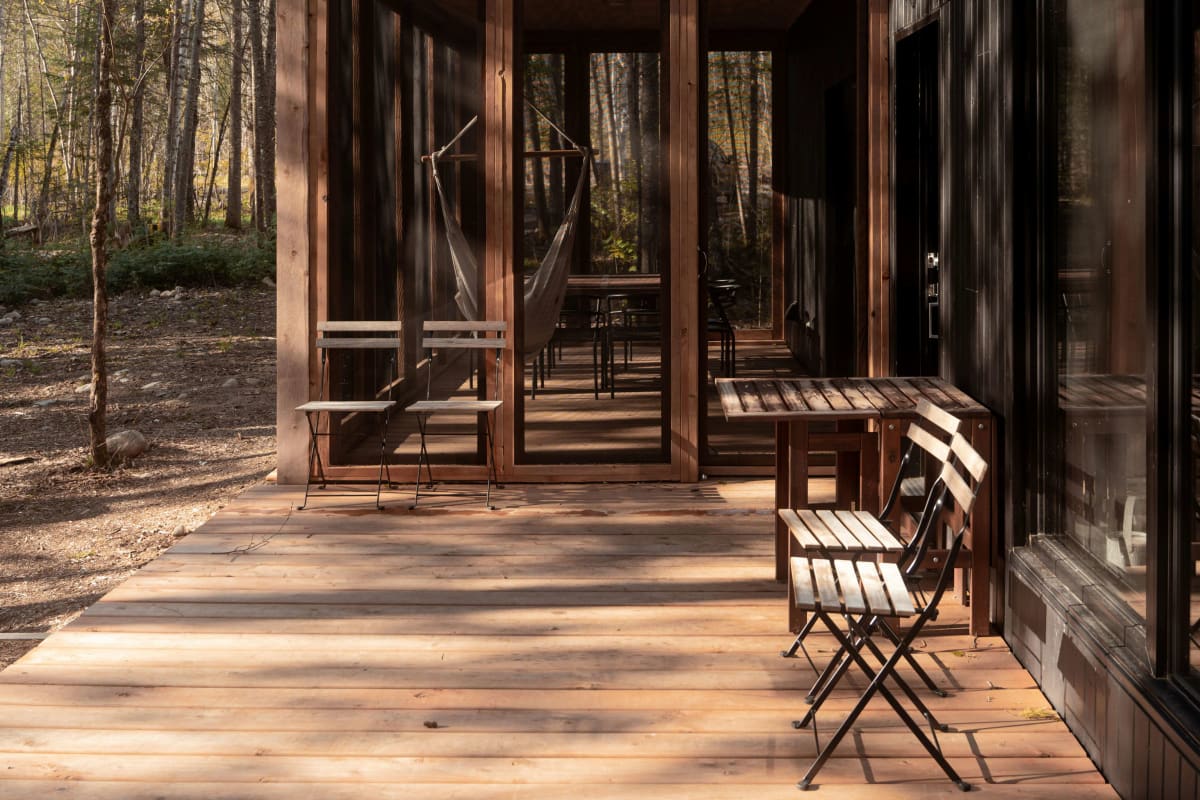
Start with the Hardwood family if natural durability is your priority. It includes Ipe, Bulletwood, Cumaru, Garapa, Jatoba and Tigerwood. Compare the species for the appearance you want, and allow for deliberate drilling and fastening when you’re working with dense hardwood.
The modified woods have durability reasons behind them too. Black Label says Thermo Ash undergoes thermal modification to increase durability and stability. That’s a concrete reason to consider it when board movement matters. The Thermo family also includes Thermo Pine; keep the increased durability and stability claim tied to Thermo Ash.
Black Label describes Kebony as engineered for durability and strength, with performance characteristics comparable to tropical hardwoods. Kebony Clear is the named wood in that family. Put it in the comparison when you want modified wood with those manufacturer-stated characteristics.

Settle the color upkeep early
Keeping the original color takes upkeep. Black Label says moisture and UV exposure turn its woods silver-gray within months. Choose with that change in mind.
The mistake to avoid is choosing only from the fresh wood’s color and leaving the upkeep decision until later. Black Label recommends annual cleaning with its Professional Grade Deck Cleaner and application of Professional Grade Ipe+ Marine Oil to preserve original colors. On high cladding or soffits, access becomes part of that yearly work.
If you prefer the silver-gray appearance, plan around that weathered color. Leaves and dirt still need attention because debris can hold moisture against wood. Keep deck gaps and drainage paths clear.
Match the installation to the surface
Black Label offers rain-screen, cladding and soffit systems alongside its decking. On a wall, settle the drainage path and attachment details along with the appearance. Water needs a way out behind the cladding, and the fastening has to suit the selected profile.
For a deck, the board profile, support layout, fasteners, spacing and ventilation need to work together. Settle the support layout and drainage before boards go down.
Line and processing details
| Detail | Black Label specification |
|---|---|
| Hardwood family | Ipe, Bulletwood, Cumaru, Garapa, Jatoba and Tigerwood |
| Kebony family | Kebony Clear |
| Thermo family | Thermo Ash and Thermo Pine |
| Thermo Ash modification | Thermal modification to increase durability and stability, according to Black Label |
| Kiln-drying sequence | Before milling |
| Exterior lumber moisture content | Kiln processed to 12–14% |

Frequently Asked Questions
Are Black Label decks good?
Yes, if you want naturally durable wood and you’re comfortable with the upkeep. Black Label advertises an Ipe lifespan of up to 75 years, but that lifespan claim isn’t a warranty. Proper drainage and fastening still matter, and if you want to preserve the original color, plan on annual cleaning and oiling.
Ready to Get Started?
Our building materials specialists can help you find the right Black Label products for your project.