Atlas gloves are the knit work gloves with the dipped rubber palm, made by SHOWA, and for everyday handling they do what leather can’t. The palm grips wet lumber, block and steel, the knit back breathes, and the glove fits close enough that you can pick up a screw without taking it off. The line runs from the original palm-dip through black nitrile, an insulated thermal glove, a fully coated PVC winter glove and a cut-rated Kevlar glove.
SHOWA is a Japanese glove maker that founder Akeo Tanaka launched in 1954, and it has specialized in work gloves ever since. It controls its own production from the machinery and materials through design and the finished glove. SHOWA turns out 450 million pairs of reusable gloves a year and visually inspects every one.
Atlas Palm-Dipped Gloves
The Atlas 300 is the glove that made the name: a seamless cotton-polyester knit with a rough natural rubber coating dipped over the palm and fingers. The back is left open so your hand doesn’t cook, and the elastic wrist keeps sawdust and gravel out. The rough rubber is the point. It holds a wet 2x6 or a concrete block the way leather never does, and it is made for carpentry, masonry, wood cutting and gutter work.
The 300B is the same glove in black rubber, which hides the dirt in demolition and block work, and the Re-Grip and Super Grip gloves belong to the same palm-coated family. You want these snug: a palm-dip that bunches in your hand wears out at the fold. In a Montana spring, when every stick of lumber on the job is wet from snowmelt, this is the glove for framing, fencing and stacking.
Atlas Nitrile Gloves
The black nitrile Atlas is the SHOWA 370B: a thin, form-fitting knit with a smooth nitrile palm. Nitrile shrugs off oil and grease that break down natural rubber, so this is the glove for wrenching, small-engine work and handling oily parts and fasteners. It fits like a second skin, which makes it the right glove for work where a thicker one would come off. It is also machine washable, so a pair lasts longer than you’d expect from a glove this light.
Atlas Therma Palm-Dipped Gloves
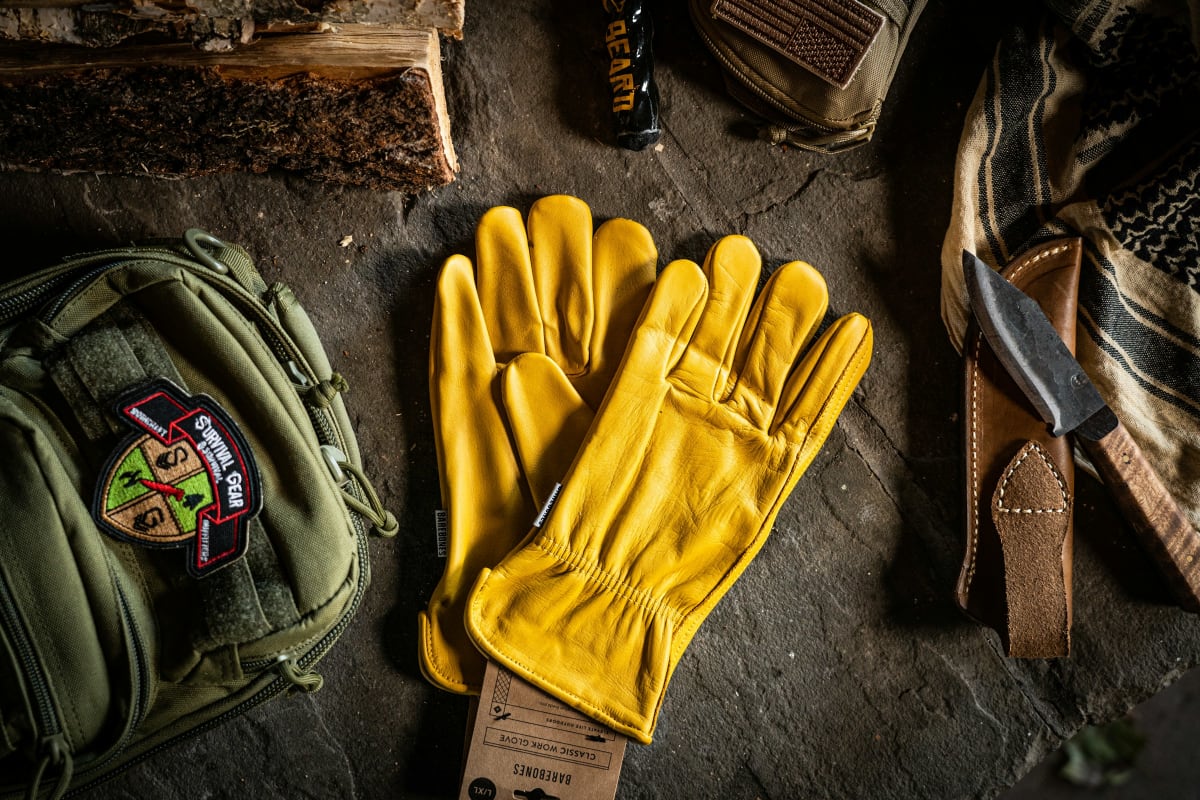
The Therma glove is the palm-dip for cold weather. It uses an insulated seamless liner under the same rough natural rubber palm, so you keep the grip and the feel and gain the warmth. SHOWA lists bricklaying, carpentry, demolition and shipping and receiving as its jobs, which is another way of saying it is for people who work with their hands outside all winter. With winter lows averaging 16°F in the Flathead, this is the glove that lets you keep setting screws and running a saw after the leather gloves have gone stiff. The breathable back also means your hands stay dry, and dry hands are warm hands.
Atlas PVC Winter Gloves
The PVC winter glove is the SHOWA 460, and it is the one for wet cold. It is fully coated in PVC, insulated inside, and built to stay flexible down to -4°F. The coating is waterproof and resists oil and chemicals, the cuff runs up over the wrist, and the rough finish keeps a grip on slick, greasy parts. Wear it for shoveling slush, washing equipment, fueling, plowing and any job where a knit glove would be soaked in ten minutes. Most coated winter gloves turn into cardboard below zero. A -4°F flex rating is what makes this one worth owning in Montana.
Atlas Cut-Resistant Gloves
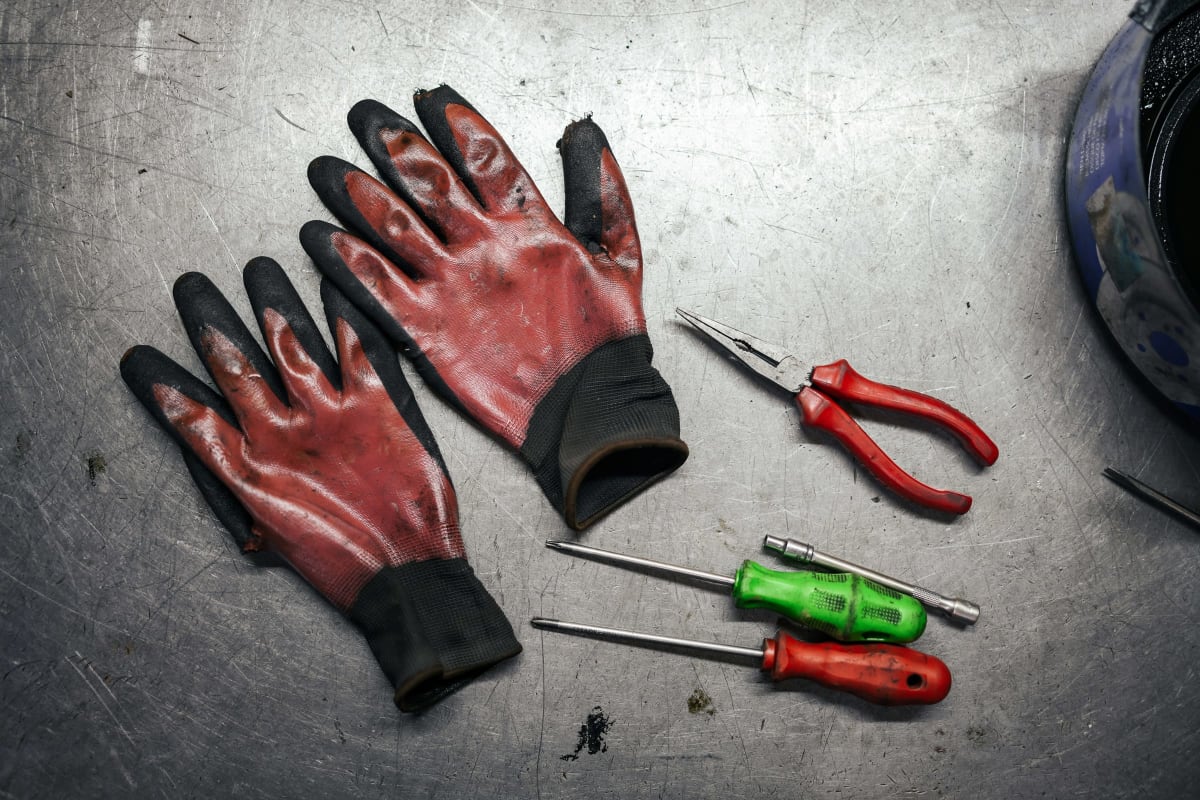
The Cut 3 latex-palm glove is the Atlas KV300: a 10-gauge seamless Kevlar liner with a rough natural rubber palm, rated ANSI cut level A3. It is the glove for glass, windows, sheet metal and metal roofing edges. The knuckles are left uncoated so your hand still bends, the rubber grips wet or dry, and Kevlar doesn’t pass heat or cold the way a plain knit does. It comes in small through double extra large. Anyone setting windows or handling steel panels should be wearing these instead of the general-purpose palm-dip.
Atlas Gloves at a Glance
| Glove | Coating and liner | What it’s for |
|---|---|---|
| Atlas 300 and 300B palm-dipped | Rough natural rubber palm, cotton-polyester knit | Lumber, block, fencing, general handling |
| Black nitrile (370B) | Smooth nitrile palm, thin form-fitting knit | Oily parts, mechanical work, fine handling |
| Therma palm-dipped | Rough natural rubber palm, insulated liner | Cold-weather carpentry, masonry, demolition |
| PVC winter (460) | Full PVC coating, insulated, flexible to -4°F | Wet cold, slush, fuel and chemicals |
| Cut 3 latex palm (KV300) | Natural rubber palm, 10-gauge Kevlar liner, ANSI A3 | Glass, windows, sheet metal |

Why Atlas
Atlas gloves do the one thing a work glove has to do: they let you hold on and still feel what you’re holding. The rubber palm grips wet material, the knit breathes, and there is a version for every season here, from the summer palm-dip to a PVC winter glove that stays soft at -4°F. SHOWA has been at this since 1954 and inspects every pair. Keep the 300 in the truck, the Therma in the coat pocket and the cut glove with the window tools.
Frequently Asked Questions
What are Atlas gloves used for?
Atlas gloves are general-purpose work gloves for handling lumber, block, tools and equipment. The rough rubber palm grips wet and dry material and the knit back keeps your hands cool. SHOWA lists carpentry, masonry, wood cutting, demolition and shipping and receiving among their uses.
What is the Atlas nitrile glove?
The Atlas nitrile glove is the SHOWA 370B, a thin black knit glove with a smooth nitrile palm. Nitrile resists oil and grease, so it is the Atlas glove for mechanical work and oily parts. It is form-fitting for fine handling and can be machine washed.
Are Atlas gloves cut resistant?
The Atlas KV300 is. It has a 10-gauge Kevlar liner and an ANSI A3 cut rating, and it is made for handling glass, windows and sheet metal. The standard Atlas 300 palm-dipped glove is a grip glove and carries no cut rating.
Which Atlas glove is best for winter?
For dry cold, the Therma palm-dipped glove adds an insulated liner to the standard rubber palm. For wet cold, the PVC winter glove is fully coated, insulated and stays flexible down to -4°F.
Who makes Atlas gloves?
Atlas gloves are made by SHOWA, a Japanese glove manufacturer founded in 1954. The gloves are sold under the SHOWA ATLAS name.
Ready to Get Started?
Our roofing specialists can help you find the right Atlas products for your project.